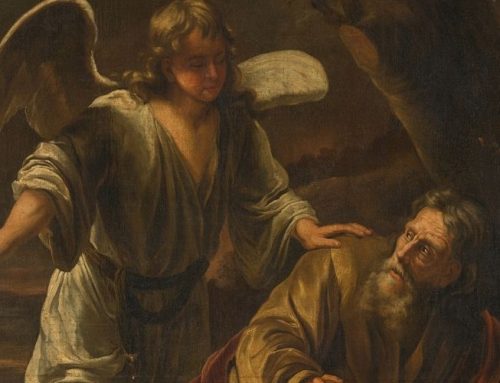

There is a moment most men know well. The pressure is high, the margin is gone, and you are not sure you have what it takes to hold the line. Maybe it is a struggling marriage, a job that is grinding you down, a prodigal kid, or a season where everything feels like it is coming apart at once.
In those moments, Bible verses about a man’s strength are not just encouraging words on a wall. They are a lifeline. And Scripture has a lot to say about what it actually means to stand strong.
Key Takeaways
- World vs. Scripture: The Bible’s picture of a strong man looks nothing like the world’s, since God consistently works through men who have nothing left except their trust in Him.
- Strength Is a Choice: Being strong and courageous is not a feeling but a decision made in the presence of fear.
- Weakness Is Not Disqualifying: Paul’s life shows that God’s power works most visibly through men who have nothing left to offer on their own.
- Endurance Requires Dependence: A man does not renew his own strength by pushing harder; he receives it by waiting on God.
- The Source Never Changes: Every biblical man who stood firm in hard times drew from the same well: God’s presence, not personal resolve.

What Does It Mean for a Man to Stand Strong?
The world’s version of a strong man does not ask for help, does not slow down, and definitely does not admit when he is losing ground. Scripture tells a different story. The men God called strong were often the ones who had nothing left to offer except their trust in Him.
Biblical strength is not the absence of struggle. It is the presence of God in the middle of it, and that changes everything about how a man carries his responsibilities.
7 Bible Verses About a Man’s Strength
1. Be Strong and Courageous (Joshua 1:9)
“Have I not commanded you? Be strong and courageous. Do not be frightened, and do not be dismayed, for the Lord your God is with you wherever you go.”
Joshua was stepping into one of the hardest assignments in Israel’s history. Moses, the man who had led the nation for forty years, was gone. The Jordan River was in front of him, and a land full of enemies was on the other side.
Strength here is not a feeling. It is a choice made in the presence of fear, grounded in the fact that God goes with you.
2. Strength Perfected in Weakness (2 Corinthians 12:9–10)
“But he said to me, ‘My grace is sufficient for you, for my power is made perfect in weakness.’ Therefore I will boast all the more gladly of my weaknesses, so that the power of Christ may rest upon me. For the sake of Christ, then, I am content with weaknesses, insults, hardships, persecutions, and calamities. For when I am weak, then I am strong.”
Paul was not writing this from a comfortable chair. He had been beaten, shipwrecked, imprisoned, and rejected. And in the middle of all of it, he discovered something that runs counter to everything men are taught: our weakness does not keep us from being made strong.
The man who looks like he has nothing left is sometimes the man whose strength is found in God.
3. Wait on the Lord (Isaiah 40:31)
“[B]ut they who wait for the Lord shall renew their strength; they shall mount up with wings like eagles; they shall run and not be weary; they shall walk and not faint.”
Waiting does not feel like strength. It feels like the opposite. But Isaiah is describing something real: the man who keeps showing up, keeps trusting, and refuses to quit even when nothing is moving is the man whose strength gets renewed.
This is one of the most practical Bible verses for men’s strength because it connects endurance directly to dependence on God. You do not renew your own strength. You receive it.
4. The Lord Is My Strength (Psalm 28:7)
“The Lord is my strength and my shield; in him my heart trusts, and I am helped; my heart exults, and with my song I give thanks to him.”
David wrote his Psalms from experience. He had faced Goliath as a youth, spent years running from a king who wanted him dead, and later lived with the weight of his own catastrophic failures. Yet his consistent conclusion was this: God was his strength, not his own resolve.
For men who are tempted to white-knuckle their way through hard seasons, David is a reminder that trust is not weakness. It’s the wisest move we can make.

5. Stand Firm (1 Corinthians 16:13)
“Be watchful, stand firm in the faith, act like men, be strong.”
Short. Direct. No qualifiers. Paul wrote this to a church facing serious internal and external pressure, and he did not soften the charge. Standing firm is an active posture, not a passive one. It means staying engaged when it would be easier to check out.
The phrase “act like men” carries real weight here. It is a call to step into responsibility with clear eyes. That is exactly the kind of leadership the Bible models throughout both the Old and New Testaments.
6. Strength for Every Season (Philippians 4:13)
“I can do all things through him who strengthens me.”
This verse gets misquoted constantly. It is not a promise that a man can do anything he sets his mind to. Read in context, Paul is talking about contentment through hardship: hunger, abundance, need, and plenty. The strength here is the ability to stay steady through all of it.
That is actually a more useful promise than the popular version. Any man can feel strong when things are going well. The man who stays grounded when things fall apart is the one worth watching. Learning how to lead well under pressure starts with understanding where that kind of steadiness comes from.
7. Strong in the Lord (Ephesians 6:10)
“Finally, be strong in the Lord and in the strength of his might.”
Paul saved this for near the end of one of his letters, right before he walked through the armor of God passage. The placement is intentional. Everything he is about to say about standing firm, resisting the enemy, and holding your ground rests on this foundation: strength that comes from the Lord, not from the man himself.
This is where Bible stories about strength in hard times consistently land. From Joshua at the Jordan to Paul in prison, the men who stood strong were not the ones who had the most going for them. They were the ones who knew where to go when they had nothing left.
The Common Thread
Every one of these Bible verses for men’s strength points to the same source. Not willpower. Not background. Not natural talent. God’s presence and God’s grace in the life of a man who refuses to quit.
If you are in a hard season right now, that is actually good company to be in. Some of the best Bible stories about strength in hard times belong to men who were at the end of themselves. And it is in that humbled state that we realize our great need for God.

Related Questions
What does the Bible say about disability?
Scripture teaches that weakness and limitation do not disqualify a person from God’s purposes, as seen in 2 Corinthians 12:9, where God declares that his power is made perfect in weakness.
What does the Bible say about courage for men?
The Bible repeatedly calls men to be strong and courageous, grounding that courage not in personal confidence but in the presence and promises of God.
What is a strong man spiritually?
A spiritually strong man is one who depends on God rather than his own ability, stands firm under pressure, and leads with integrity even when it costs him something.
Who are the men in the Bible who demonstrated strong faith?
Men like Joshua, David, Paul, and Daniel demonstrated strong faith by trusting God and obeying him in the middle of genuine danger, loss, and hardship.